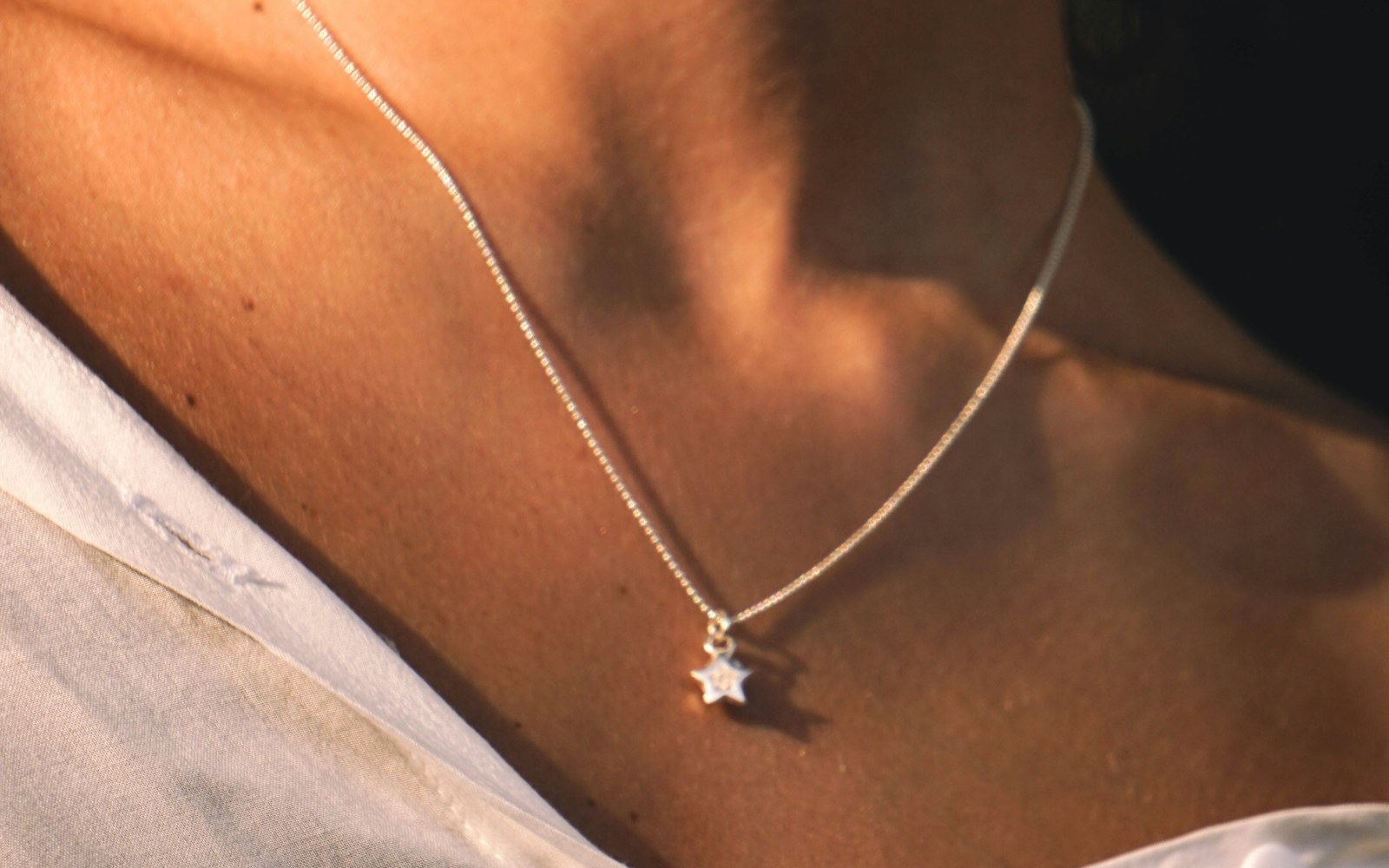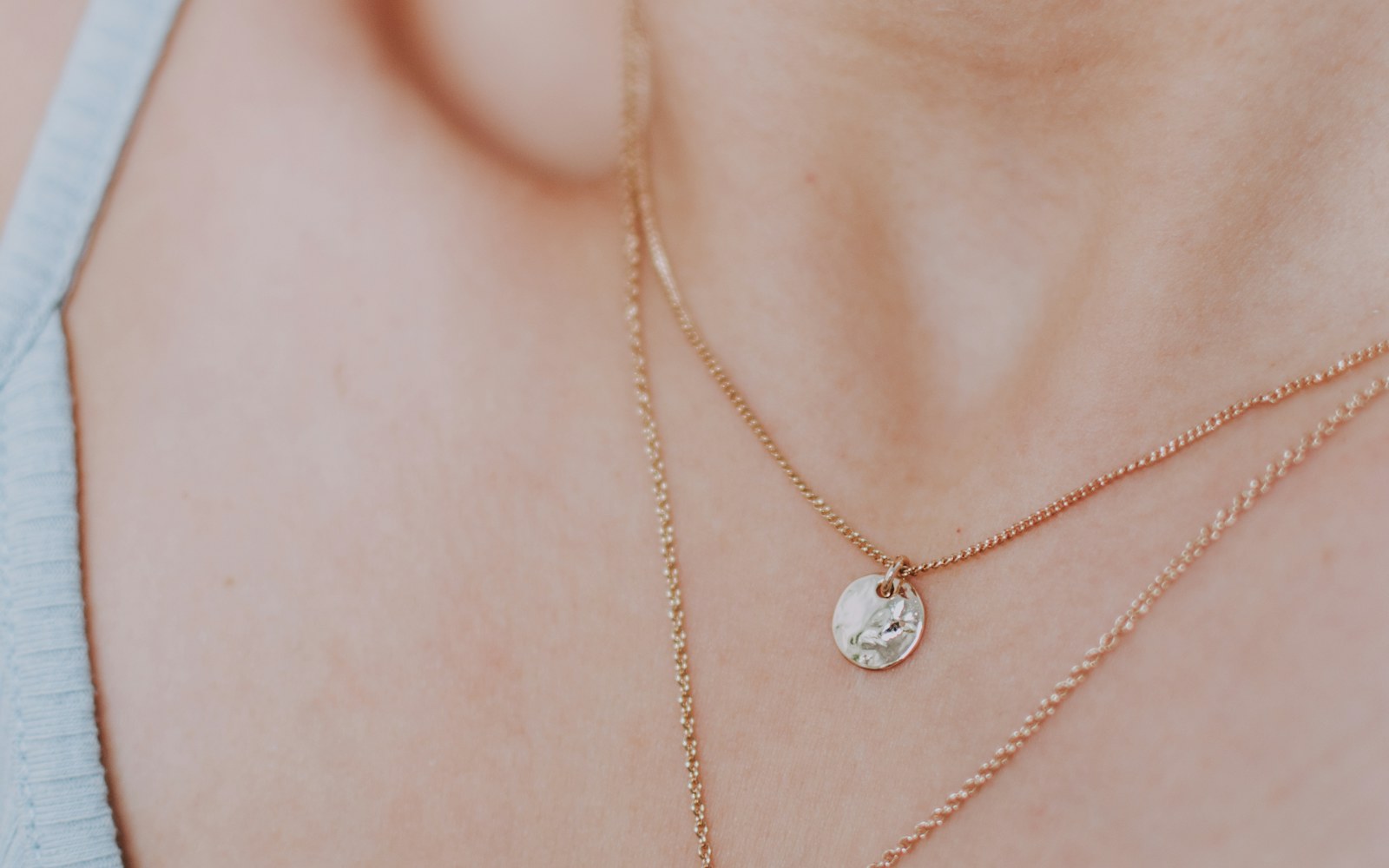
A simple chain needs to sit above a sweater neckline one day and under an open collar the next. Product photos show shine clearly but often make it difficult to judge actual length, link scale, and clasp size.
Measure where the chain should fall, then verify total length, width, weight, link construction, base metal, finish, clasp, and pendant compatibility. Solid, hollow, plated, and filled constructions carry different care and durability tradeoffs.
Begin with the friction you want to remove. A product that fits your space, habits, and willingness to maintain it is usually more useful than the option with the longest specification sheet.
What matters in daily use
- Use string or an existing necklace to mark the preferred drop against common necklines.
- Check both length and link width in millimeters rather than relying on close-up images.
- Confirm whether the chain is solid, hollow, plated, filled, or vermeil and what the base metal is.
- Match clasp size and operation to the wearer's dexterity and daily routine.
- Review cleaning, storage, repair, and return terms before adding a pendant.
Confirm dimensions, included parts, materials, compatibility, care requirements, and the current return policy on the seller or manufacturer page before buying.
A practical shortlist
These product types are research starting points, not hands-on test winners. Each serves a different version of the problem.
Fine cable chain
Best for: Small pendants and understated layering.
Tradeoff: Thin links can tangle and need gentle handling.
Check current options ↗Retailer research link; no tracking ID is active at publication.Medium box chain
Best for: A defined geometric look with moderate pendants.
Tradeoff: Kinked links can be difficult to repair.
Check current options ↗Retailer research link; no tracking ID is active at publication.Adjustable curb chain
Best for: Changing necklines and wearing alone.
Tradeoff: An extender can shift toward the front.
Check current options ↗Retailer research link; no tracking ID is active at publication.Think beyond checkout
Value includes storage, cleaning, replacement parts, consumables, charging, servicing, and how often you will realistically use the item. Keep packaging until fit and function are confirmed, and do not alter or wash return-sensitive products before checking the policy.
Before you buy
- Write down the recurring situation the purchase needs to solve.
- Measure the available space or confirm fit and compatibility.
- Compare the useful features, not the longest feature list.
- Read current care, delivery, and return terms.
- Decide which tradeoff you can comfortably live with.
Bottom line
Choose the visible scale first, then verify construction and care. A clearly specified chain with a usable clasp is more likely to earn repeat wear than one selected from styling photographs alone.