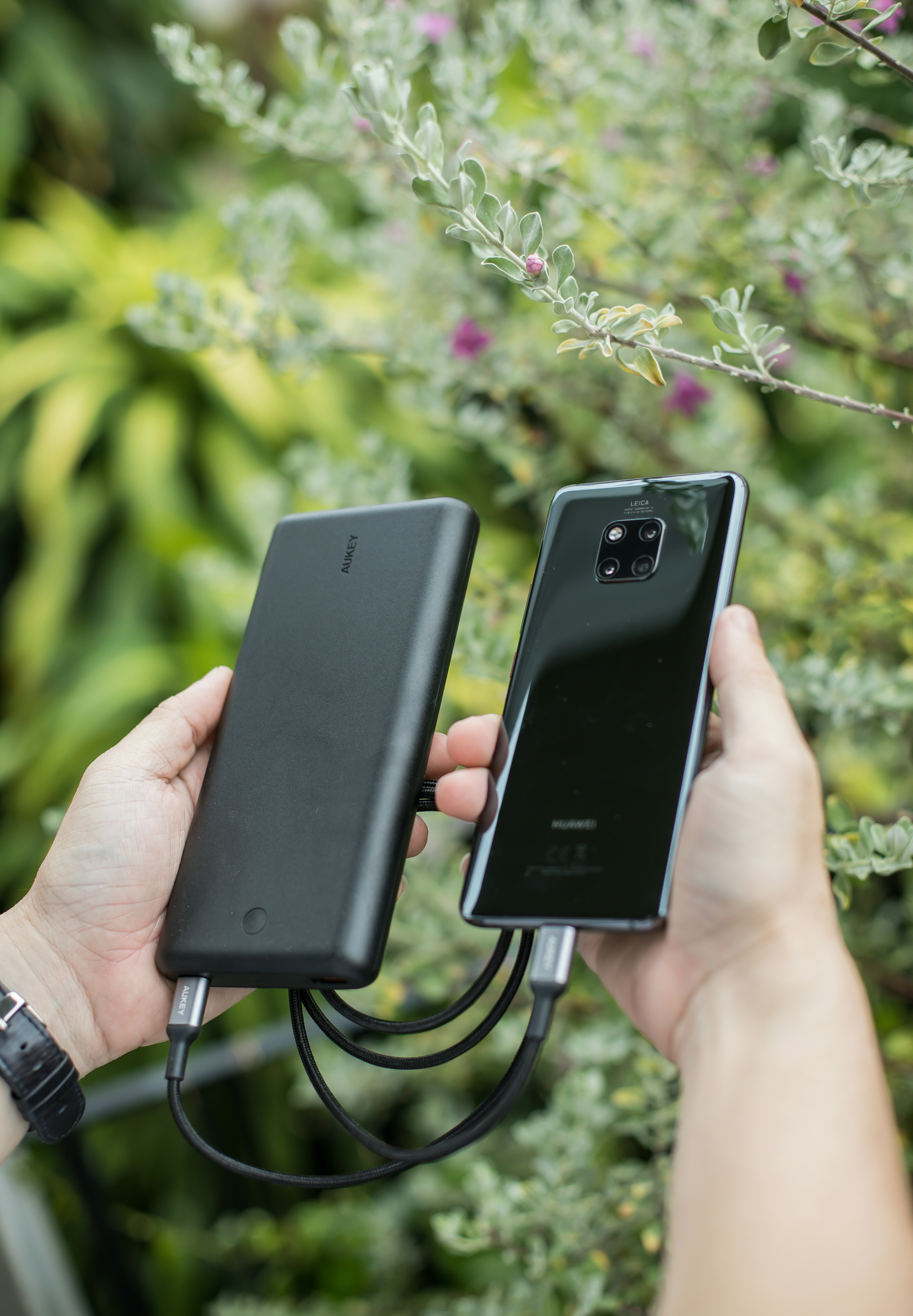
After navigation, boarding passes, and messages drain a phone, a labeled charger in the day bag can prevent an avoidable scramble.
Buy for the device and journey rather than the largest capacity, and verify current transport restrictions before departure.
Begin with the friction you want to remove. A product that fits your space, habits, and willingness to maintain it is usually more useful than the option with the longest specification sheet.
What matters in daily use
- Check device charging requirements.
- Compare usable ports with the cables you carry.
- Consider weight as well as capacity.
- Recharge the battery before each travel day.
- Review current airline and security rules for batteries.
Confirm dimensions, included parts, materials, compatibility, care requirements, and the current return policy on the seller or manufacturer page before buying.
A practical shortlist
These product types are research starting points, not hands-on test winners. Each serves a different version of the problem.
compact phone power bank
Best for: daily sightseeing and emergency top-ups.
Tradeoff: provides fewer recharges.
Check current options ↗Retailer research link; no tracking ID is active at publication.multiport travel power bank
Best for: charging several small devices.
Tradeoff: larger and heavier in a day bag.
Check current options ↗Retailer research link; no tracking ID is active at publication.power bank with built-in cable
Best for: travelers reducing loose accessories.
Tradeoff: an attached cable is harder to replace.
Check current options ↗Retailer research link; no tracking ID is active at publication.Think beyond checkout
Value includes storage, cleaning, replacement parts, consumables, charging, servicing, and how often you will realistically use the item. Keep packaging until fit and function are confirmed, and do not alter or wash return-sensitive products before checking the policy.
Before you buy
- Write down the recurring situation the purchase needs to solve.
- Measure the available space or confirm fit and compatibility.
- Compare the useful features, not the longest feature list.
- Read current care, delivery, and return terms.
- Decide which tradeoff you can comfortably live with.
Bottom line
The useful travel charger is the one you remember to charge, can carry comfortably, and can connect to your actual devices.